

In the complex world of financial markets, investors and analysts rely on various tools to make informed decisions. Leading and lagging indicators are two types of economic or market metrics that play a crucial role in understanding trends, predicting changes, and assessing overall economic health. Let’s explore what these indicators are, how they work, and provide some examples of each.
Leading Indicators
Leading indicators are signals that provide insight into the potential future direction of the economy or a market. They are used to anticipate shifts and trends before they fully manifest. These indicators are considered predictive because they tend to change direction before the economy does. Some common examples of leading indicators include:
1. Stock Market Performance
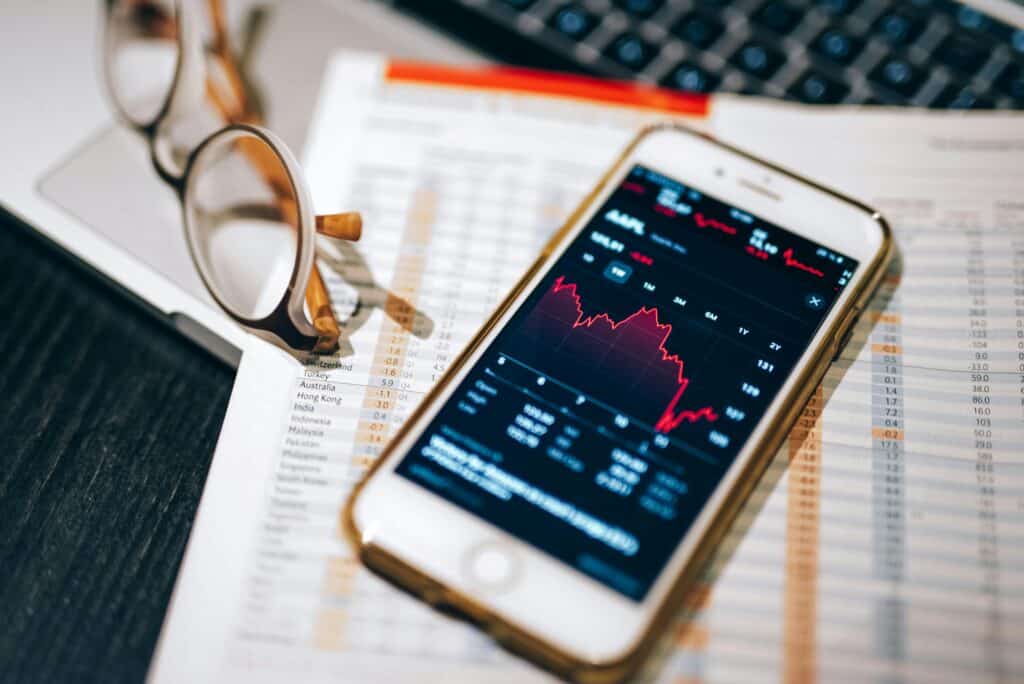
The performance of major stock market indices, such as the S&P 500, is often seen as a leading indicator. Strong market performance can indicate optimism and economic growth, while declining markets might suggest economic troubles ahead.
2. Unemployment Claims
A rise in unemployment claims can signal economic downturns, as companies might be reducing their workforce due to a slowdown in business activity.
3. Building Permits
An increase in building permits indicates potential future construction and economic expansion, while a decline might indicate economic contraction.
4. Consumer Confidence Index
This index measures how optimistic consumers are about the economy’s future. A rising index suggests increased consumer spending and economic growth.
5. Yield Curve
The shape of the yield curve, which represents the difference between short-term and long-term interest rates, can be a leading indicator of economic conditions. An inverted yield curve (short-term rates higher than long-term rates) is often associated with upcoming recessions.
Lagging Indicators
Lagging indicators, on the other hand, provide confirmation of trends or changes that have already occurred. They follow the economy’s performance and reflect its historical data. These indicators are used to assess the impact of changes that have taken place. Some examples of lagging indicators include:
1. Gross Domestic Product (GDP)
GDP represents the total value of goods and services produced in a country. It’s a lagging indicator because it takes time to gather and calculate this data.
2. Unemployment Rate
While unemployment claims are a leading indicator, the official unemployment rate is a lagging indicator, as it provides a historical snapshot of the job market.
3. Consumer Price Index (CPI)
CPI measures the average change in prices paid by consumers for various goods and services. It reflects past inflation or deflation.
4. Corporate Profits
Company profits are typically reported after the fact, making them lagging indicators. These reports reflect the financial health of businesses.
5. Interest Rates
Central banks adjust interest rates in response to economic conditions, making interest rate changes a lagging indicator of their monetary policy decisions.
Understanding both leading and lagging indicators is crucial for making well-informed decisions in the financial realm. Leading indicators provide a glimpse into the future, helping investors anticipate trends, while lagging indicators offer a retrospective view, confirming or validating those trends. By combining insights from both types of indicators, investors and analysts can better navigate the dynamic landscape of the economy and financial markets.